ARTWORKS -PAINTING STUDIO -ARCHITECTURE -FURNITURE DESIGN
PERMEKESTUDIO
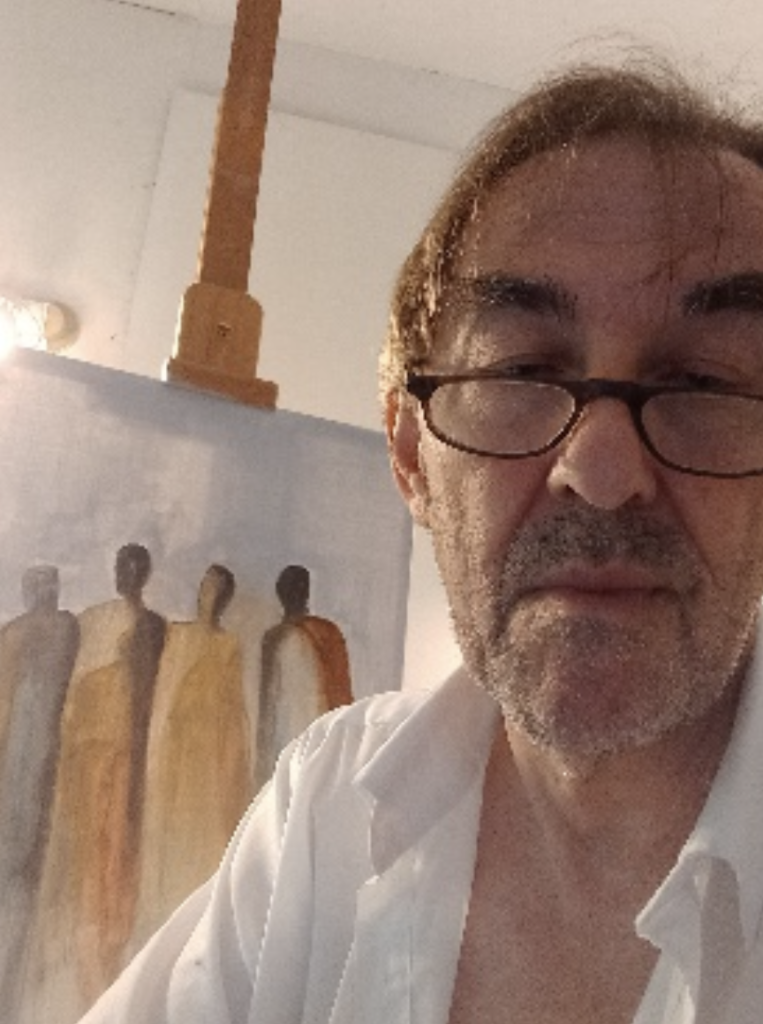
Robrecht Bethuyne is a retired architect and project manager, born in Ostend in 1955. He studied Architecture and Visual Arts at the Higher Institute for Architecture and Town Planning and the Academy for Visual Arts in Ghent (SHIAS). He currently lives and works in Brussels.
ARTWORKS – PAINTING STUDIO – ARCHITECTURE -FURNITURE DESIGN
PERMEKESTUDIO
Robrecht Bethuyne
-
Permekestraat 52 1800
Vilvoorde Belgium. - Cell:+32(0)468 327 355
- Mailto: Permekestudio52@telenet.be
The PermekeStudio
Robrecht Bethuyne is a retired architect and project manager, born in Ostend in 1955. He studied Architecture and Visual Arts at the Higher Institute for Architecture and Town Planning and the Academy for Visual Arts in Ghent (SHIAS). He currently lives and works in Brussels.
He built an extensive international career as a team leader, project architect, and later as a project and cost manager in several renowned architectural and consulting firms.
Robrecht began his career at Stauch Vorster Architects in Johannesburg and Pretoria, a firm Founded by Bauhaus trained architect Helmut Stauch and at some time partly associated with the late German American architect Helmut Jahn. He remained there for several years as a project architect.
He later moved to London, working as a senior project architect for Benoy Architects, where he contributed to major retail projects, including Bluewater Park near Dartford, Kent.
In 1991, he transitioned into project management (APM) within the construction sector, working for international consulting companies until 2018.
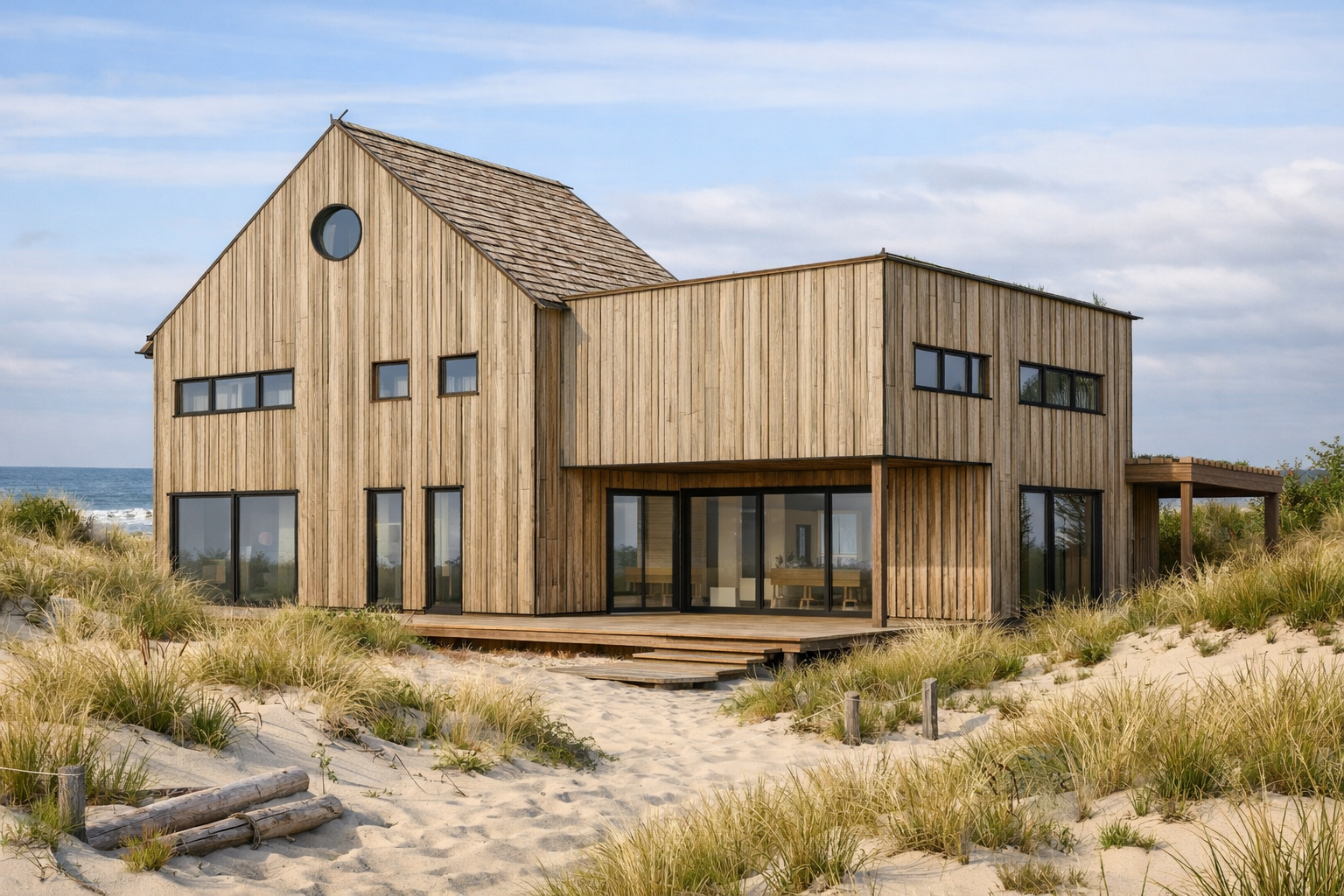
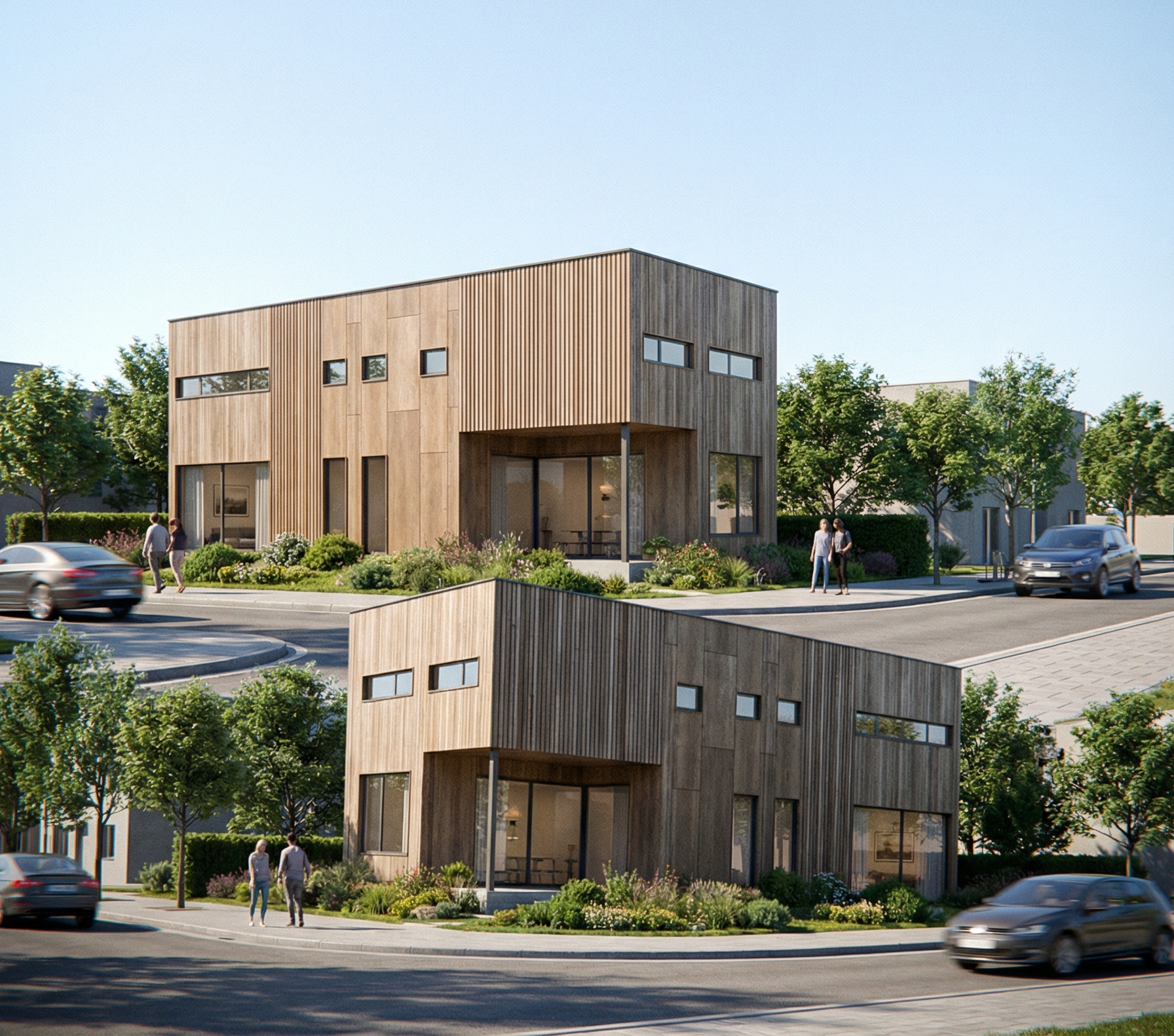
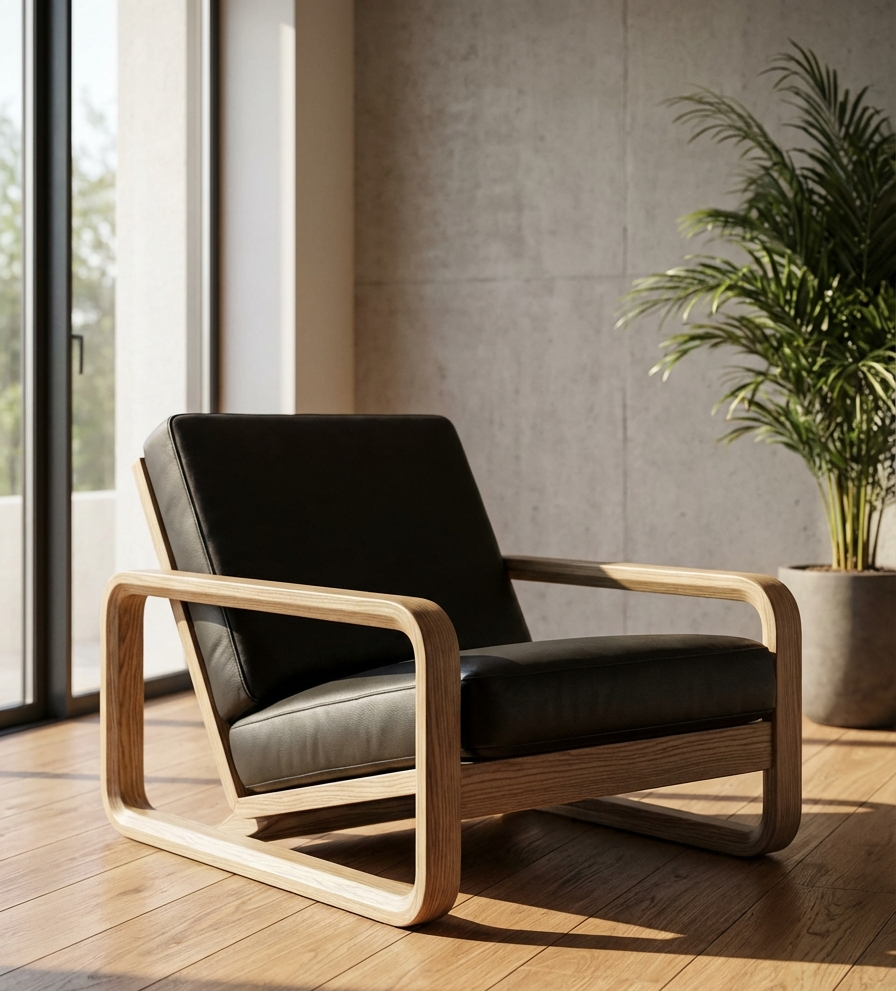
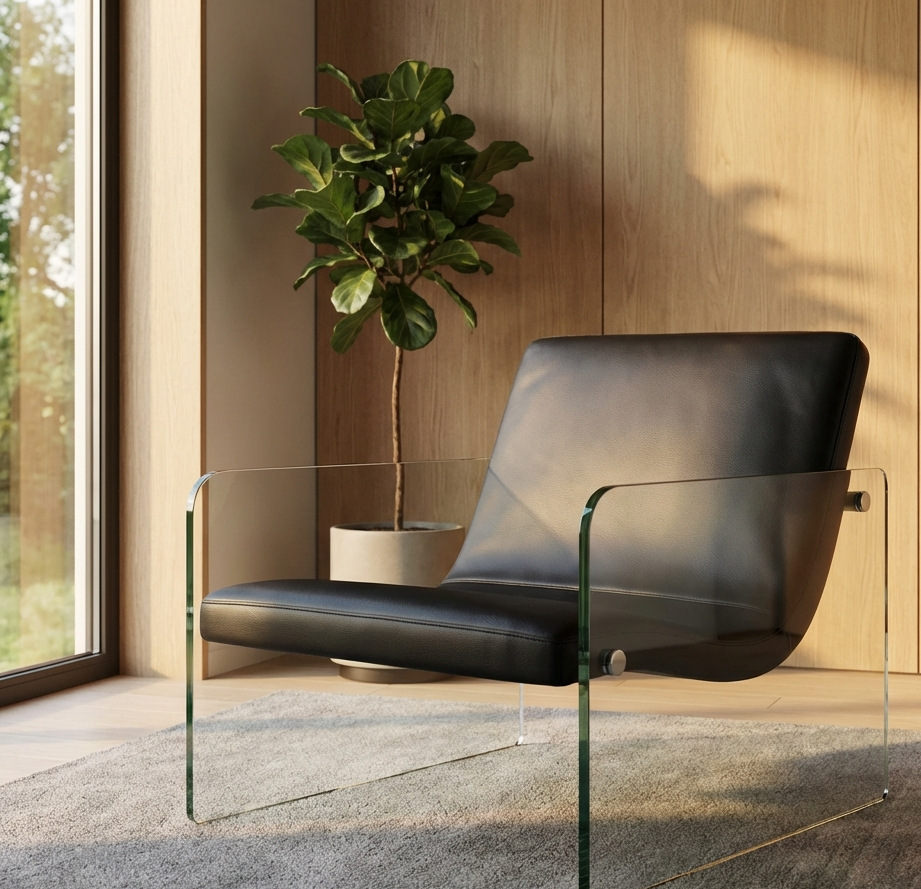
Since retiring from the international architectural profession, he has returned to his longstanding passion for the arts, focusing on watercolor and acrylic painting, furniture design, and domestic architecture.
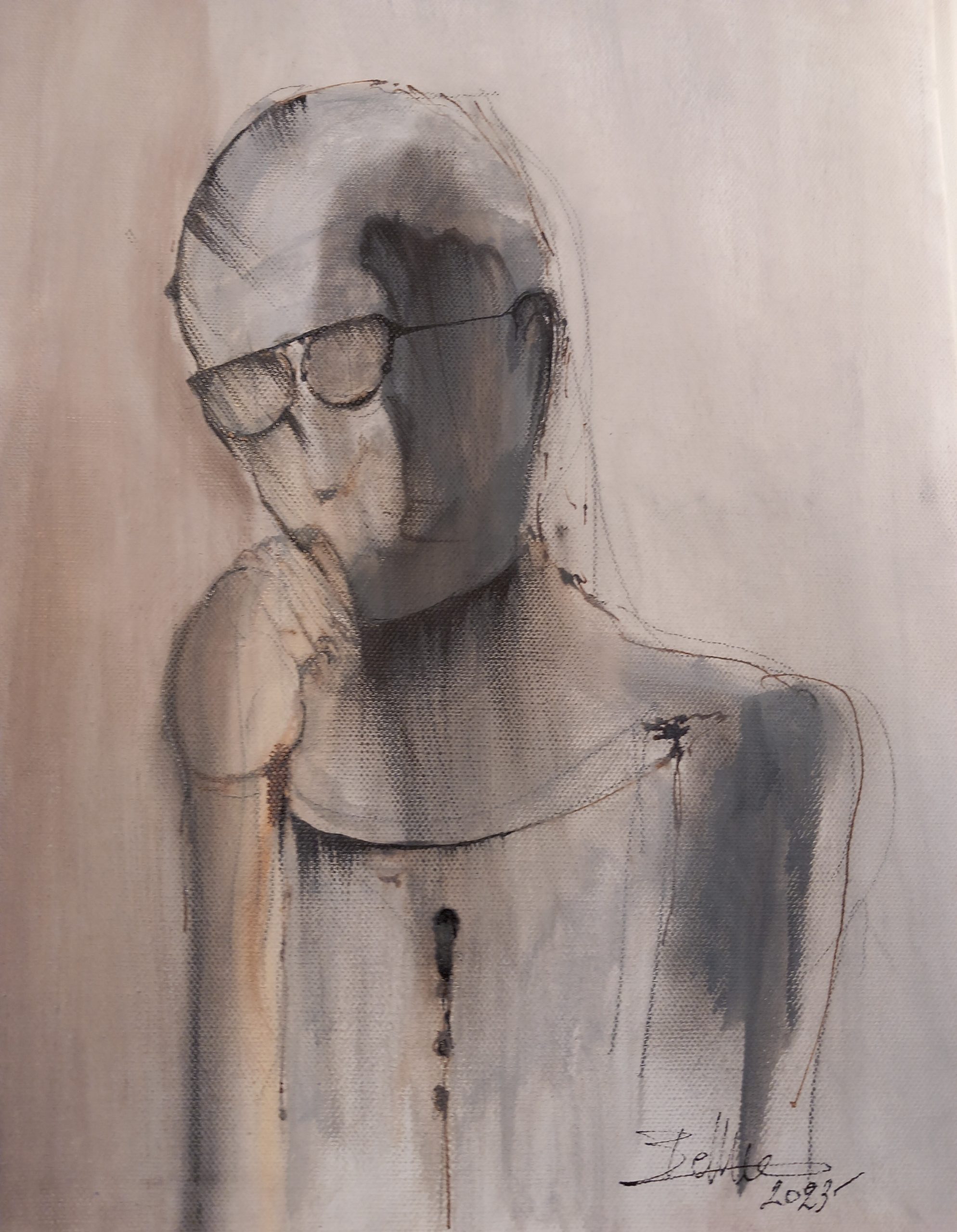
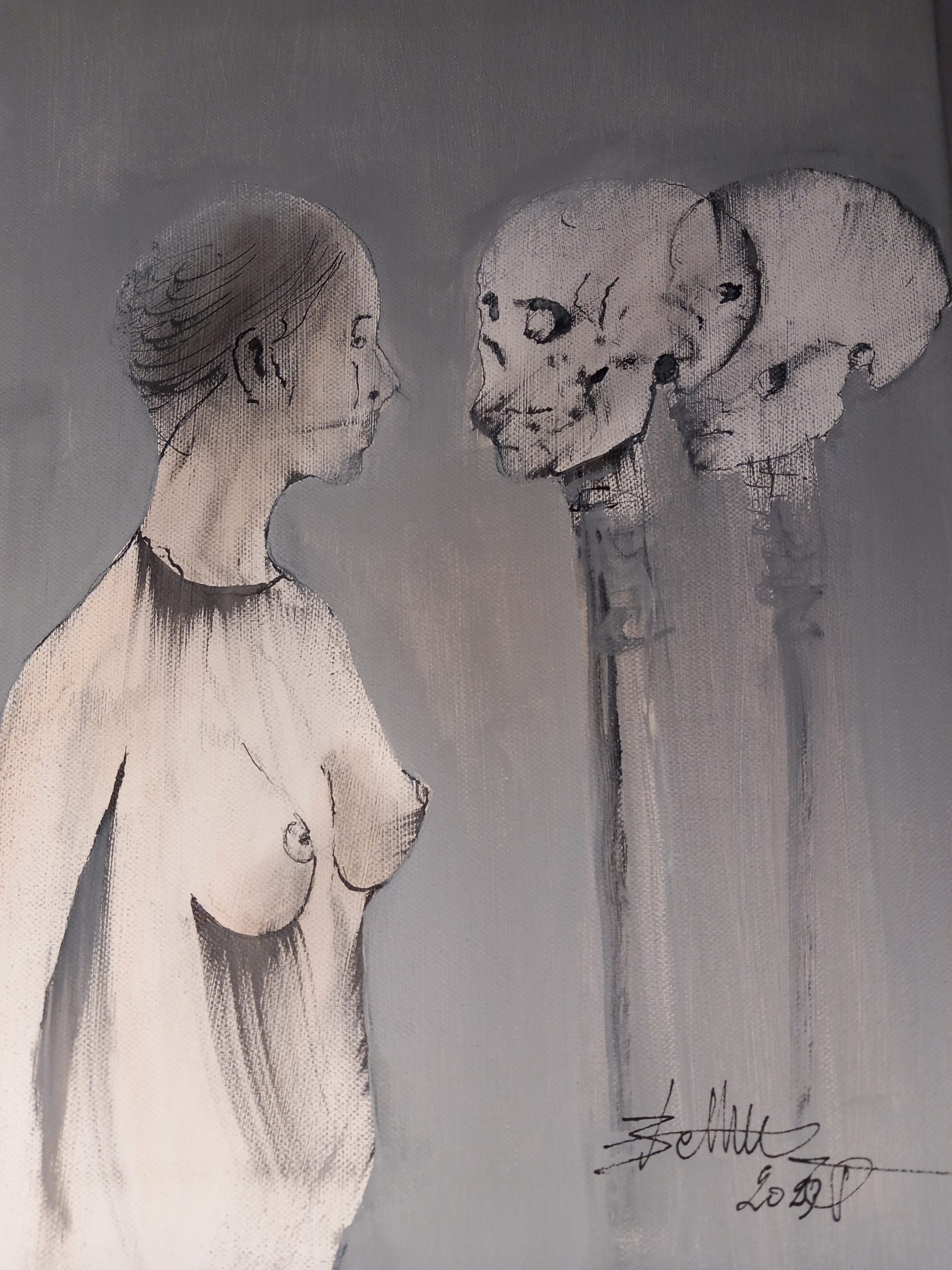
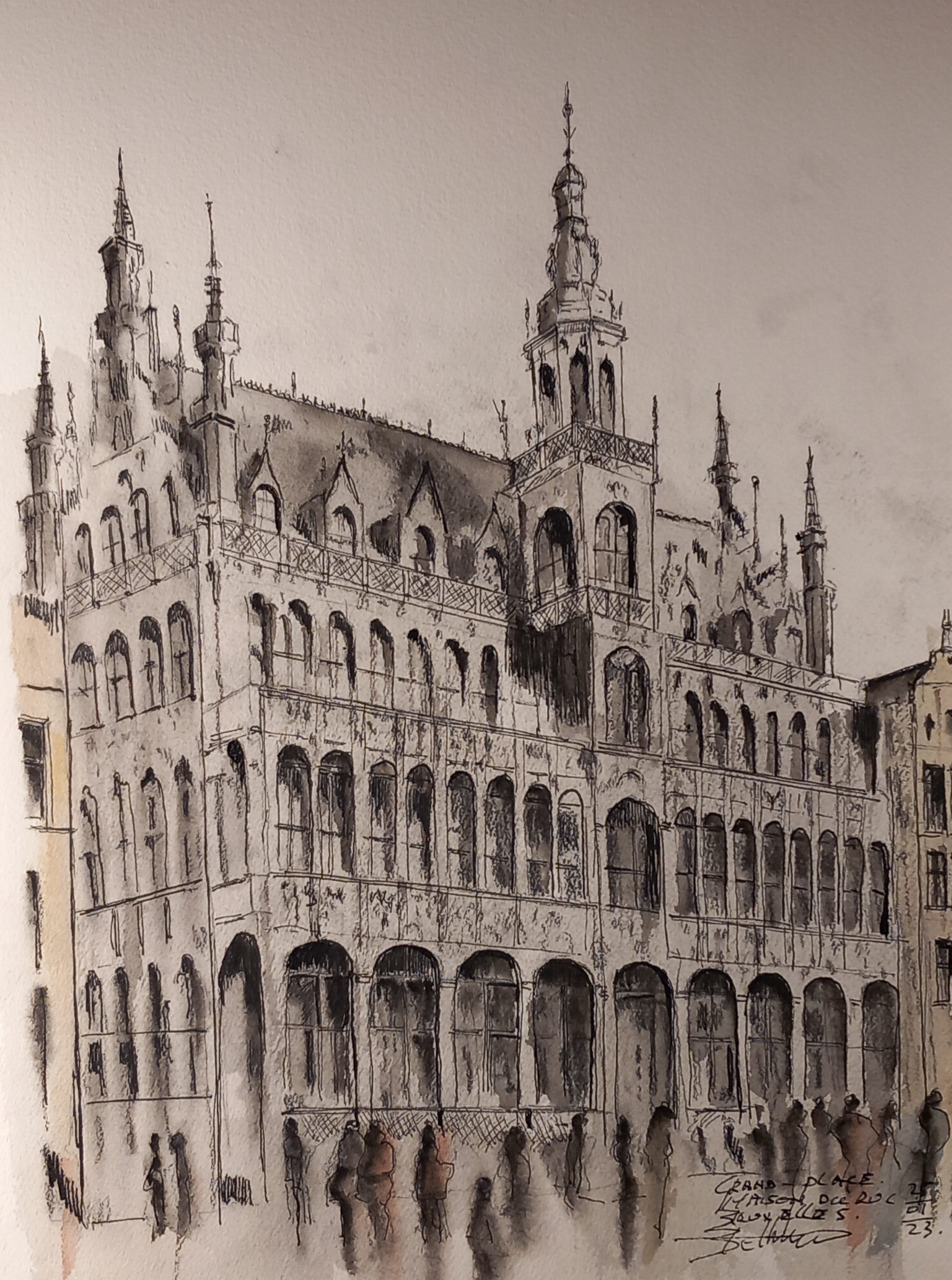
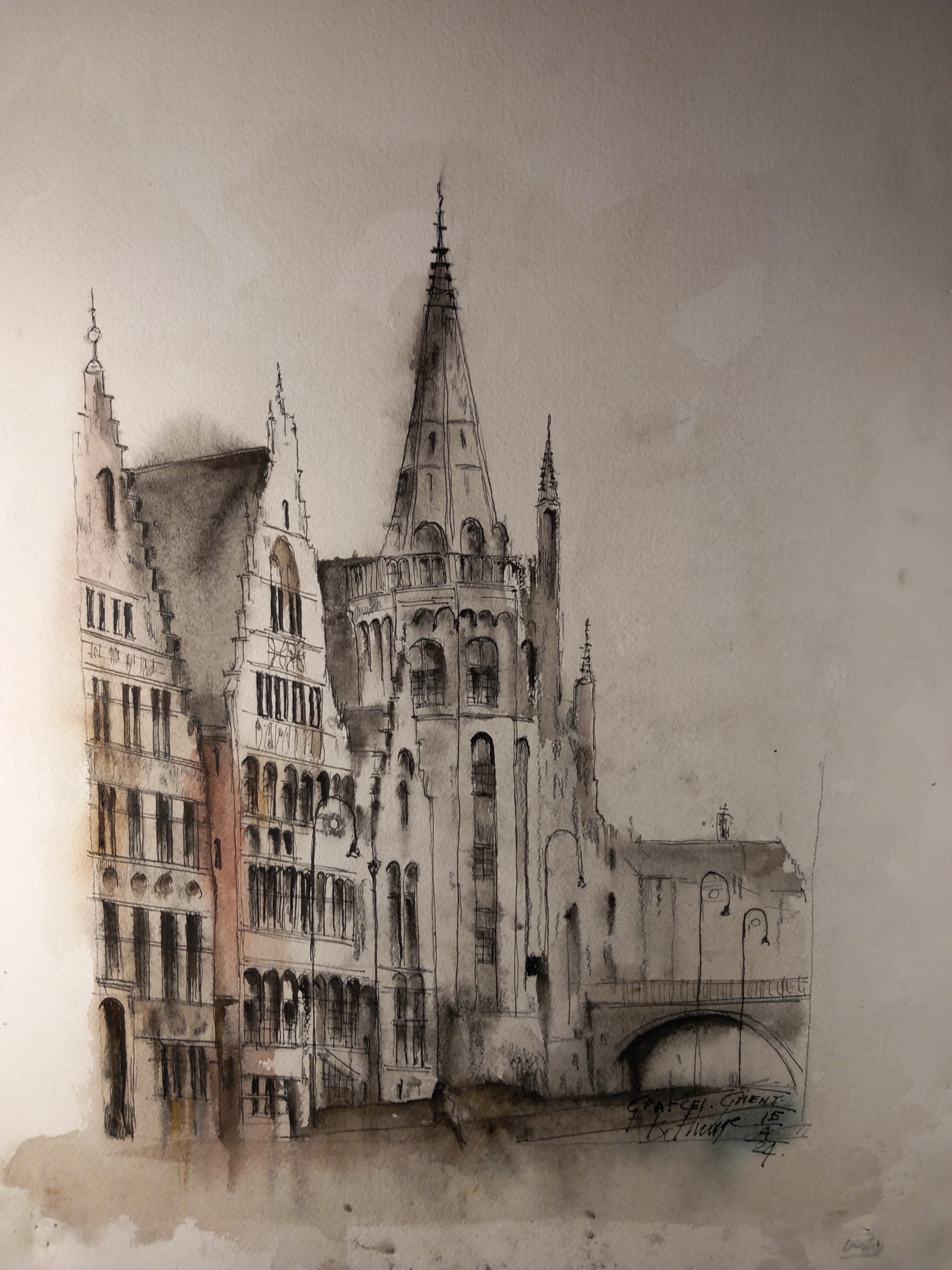
My artwork in watercolar and acryl :
Watercolor remains an understudied and often underappreciated medium within contemporary art discourse. Frequently subsumed under the broad categorization of “works on paper,” it is routinely stripped of its material specificity and conceptual rigor. This classification not only minimizes the distinct qualities that differentiate watercolor from other paperbased practices but also contributes to its diminished visibility within mainstream contemporary art narratives. A survey of search results for “contemporary watercolor artists” in major search engines reinforces this perception: leading art institutions, critical platforms, and curatorial publications seldom highlight artists working primarily with watercolor, while most accessible resources are confined to niche or hobbyist-oriented finearts outlets.
This apparent marginalization is incongruous with the medium’s actual presence in contemporary artistic practice.
Watercolor continues to serve as a dynamic site of experimentation, embraced by artists who challenge its historical associations with informality, delicacy, or amateurism. Its responsiveness, immediacy, and capacity for unpredictability offer a unique set of aesthetic and conceptual possibilities that remain highly relevant to current artistic inquiries. Recognizing watercolor’s contributions is therefore essential to broadening the scope of contemporary art scholarship and to challenging the hierarchies that shape its dominant narratives.
Acrylic paint emerged in the 1940s within industrial settings and was adopted by artists in the 1950s due to its rapid drying time, high chromatic intensity, and notable versatility. As the medium evolved, manufacturers developed brushes capable of accommodating the paint’s viscosity and accelerated drying characteristics. These brushes are produced in a range of configurations—including flat, round, filbert, and fan—each designed to support distinct technical procedures and aesthetic outcomes.
Canvas remains the primary support for acrylic painting, valued for its adaptability, structural stability, and availability across multiple formats. Canvas panels provide a lightweight, portable alternative suitable for fieldwork or instructional contexts. For artists seeking a smoother surface conducive to fine detail, substrates such as wood or mediumdensity fiberboard (MDF) may be employed, provided they are prepared with an appropriate gesso ground to ensure adhesion and longterm surface integrity.
The functional range of acrylic paint is further expanded through a variety of supplemental mediums. Gel mediums increase viscosity to facilitate impasto and other textural applications, while matte and gloss mediums enable modulation of surface sheen. Flow additives enhance fluidity and are particularly effective for glazing or other techniques requiring extended dispersion. Conversely, retarders decelerate the drying process, allowing for a greater degree of control during blending. Additionally, texture pastes support the development of raised, relieflike surfaces, extending the medium’s capacity for material experimentation.